The solution to your problem is in our hands

(206) 339-8545

Commercial Systems

The materials we install in commercial roofing systems are selected based on performance requirements, building conditions, waterproofing demands, climate exposure, budget, and long-term maintenance goals. At Trade Roofing, we work with proven commercial systems such as TPO, PVC, Torch Down, and EPDM because each one solves different roofing challenges. Understanding how these materials function, where they perform best, and what benefits they offer helps property owners and managers choose a roofing system that supports durability, efficiency, and long-term protection.

Quick Material Comparison

TPO

Typical Use

Low-slope commercial roofs

Main Strength

Energy efficiency and weldable seams

Waterproofing Behavior

Heat-welded membrane system

Best Fit

Owners seeking reflective and cost-effective performance

PVC

Restaurants, industrial and high-demand roofs

Chemical resistance and durability

Heat-welded membrane with strong seam performance

Buildings exposed to grease, chemicals, or harsh conditions

Torch Down

Modified bitumen roofs

Multi-layer protection and toughness

Asphalt-based waterproofing membrane

Projects needing robust multi-ply protection

EPDM

Large low-slope commercial roofs

Flexibility and weather resistance

Rubber membrane with sealed seams

Owners prioritizing proven long-term performance
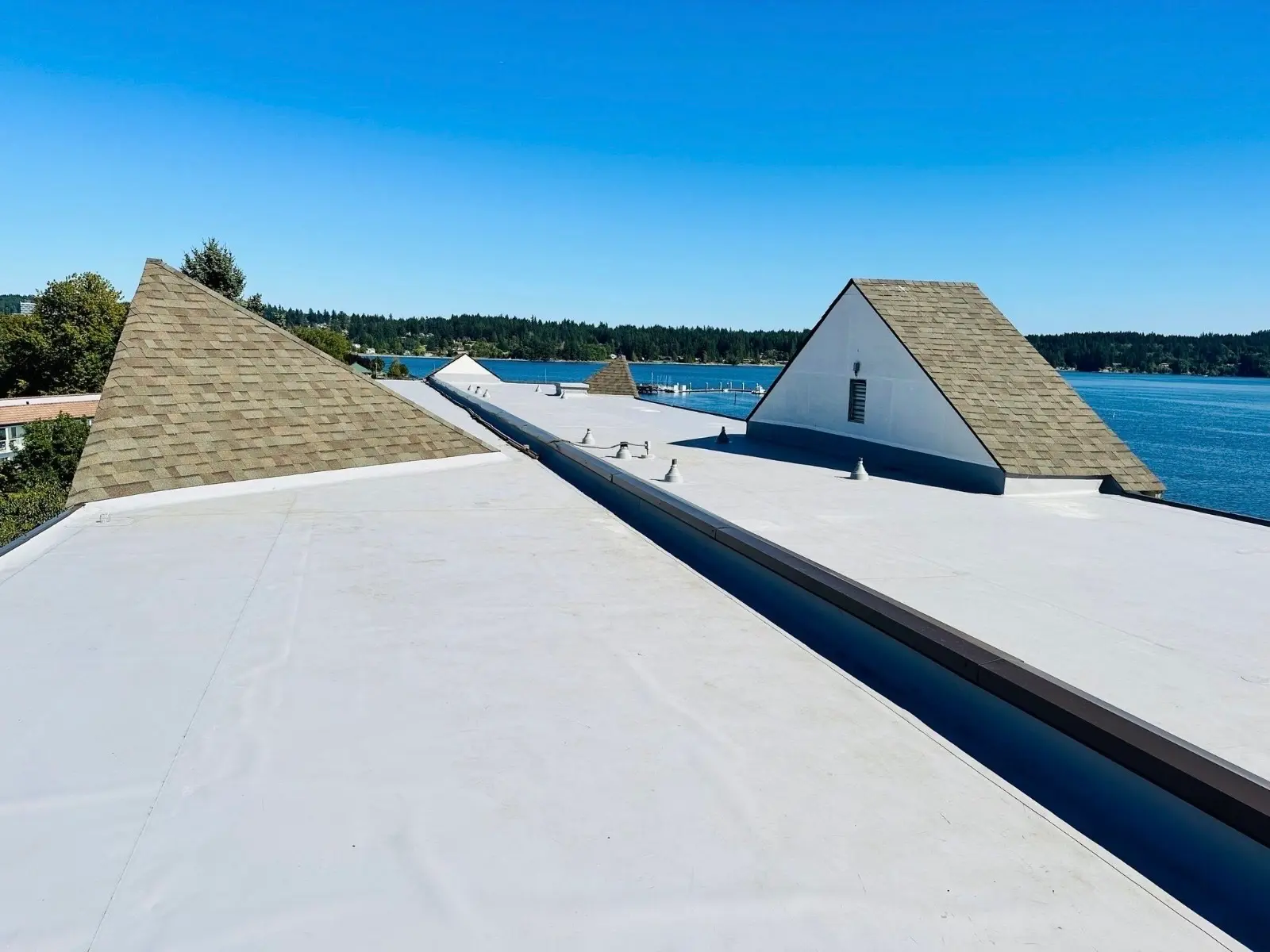
TPO Roofing
TPO

TPO Roofing

What It Is
TPO (Thermoplastic Polyolefin) is a single-ply membrane commonly used in commercial roofing. It combines durability, flexibility, and energy efficiency, forming a continuous waterproofing layer that protects against moisture, UV exposure, and thermal movement.
How It Works & What It Is Used For
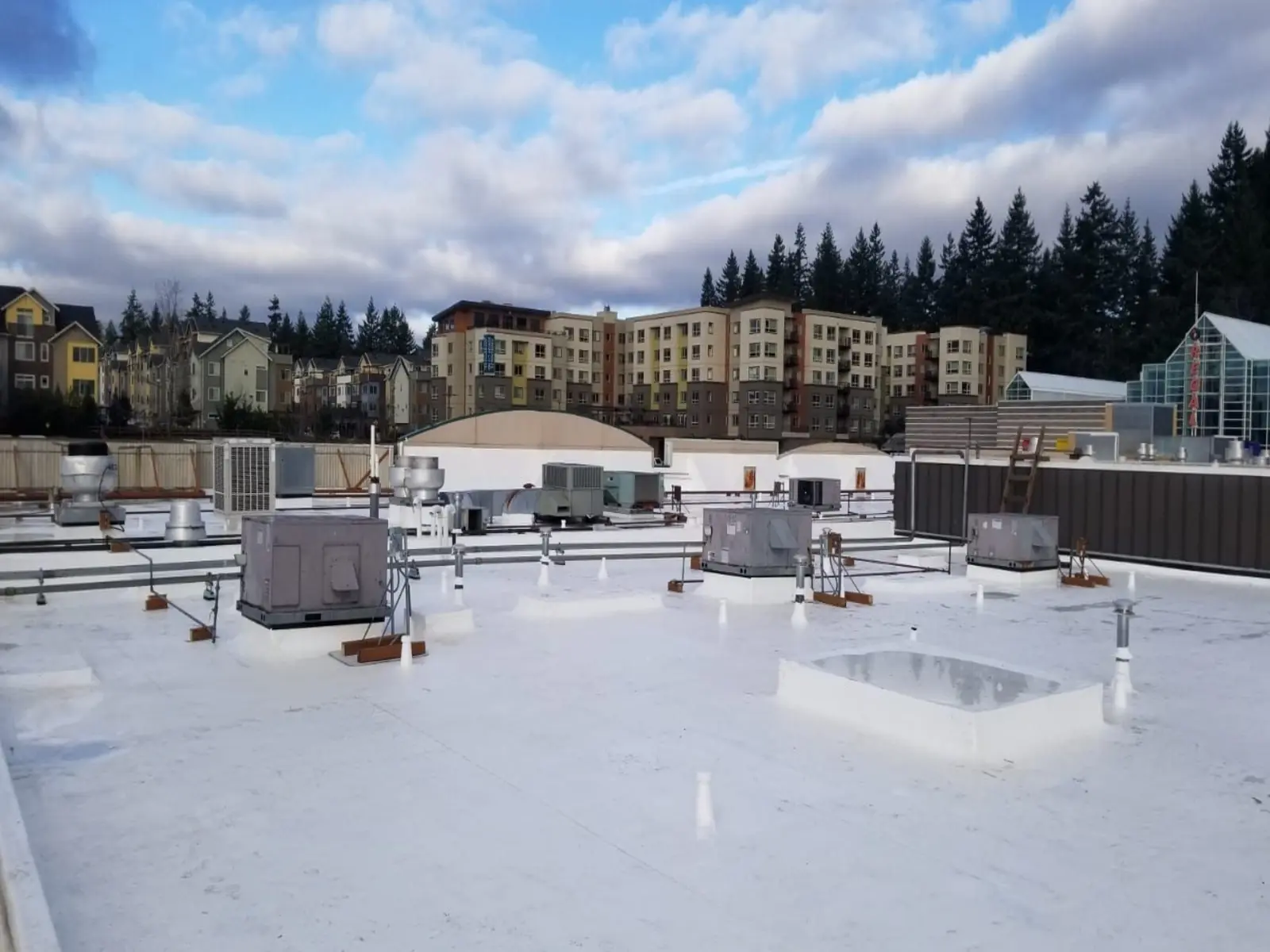
TPO is installed as a heat-welded system where seams are fused with hot air, creating a strong, monolithic surface. This reduces leak risks in critical areas. It performs best on low-slope commercial roofs such as warehouses, office buildings, and multi-family properties, especially where energy efficiency is important due to its reflective surface.
Key Benefits
• Heat-welded seams create a consistent waterproof barrier
• Reflective surface reduces heat absorption
• Strong resistance to UV and weathering
• Lightweight and efficient installation
• Cost-effective long-term performance
PVC Roofing
PVC

PVC Roofing

What It Is
PVC (Polyvinyl Chloride) is a premium single-ply roofing membrane designed for high-performance environments. It offers excellent durability and resistance to chemicals, grease, and moisture.
How It Works & What It Is Used For
PVC uses heat-welded seams to form a continuous waterproof system. Its chemical composition allows it to withstand harsh rooftop conditions without degradation. It is ideal for restaurants, industrial buildings, and facilities exposed to contaminants or heavy usage.
Key Benefits
• Superior resistance to chemicals and grease
• Long-term durability in harsh conditions
• Strong waterproofing through welded seams
• Reliable performance in high-demand environments
• Low maintenance requirements
EPDM Roofing
EDPM

EPDM Roofing

What It Is
EPDM (Ethylene Propylene Diene Monomer) is a synthetic rubber roofing membrane known for flexibility and long-term reliability. It provides a continuous waterproofing layer adaptable to environmental conditions.
How It Works & What It Is Used For
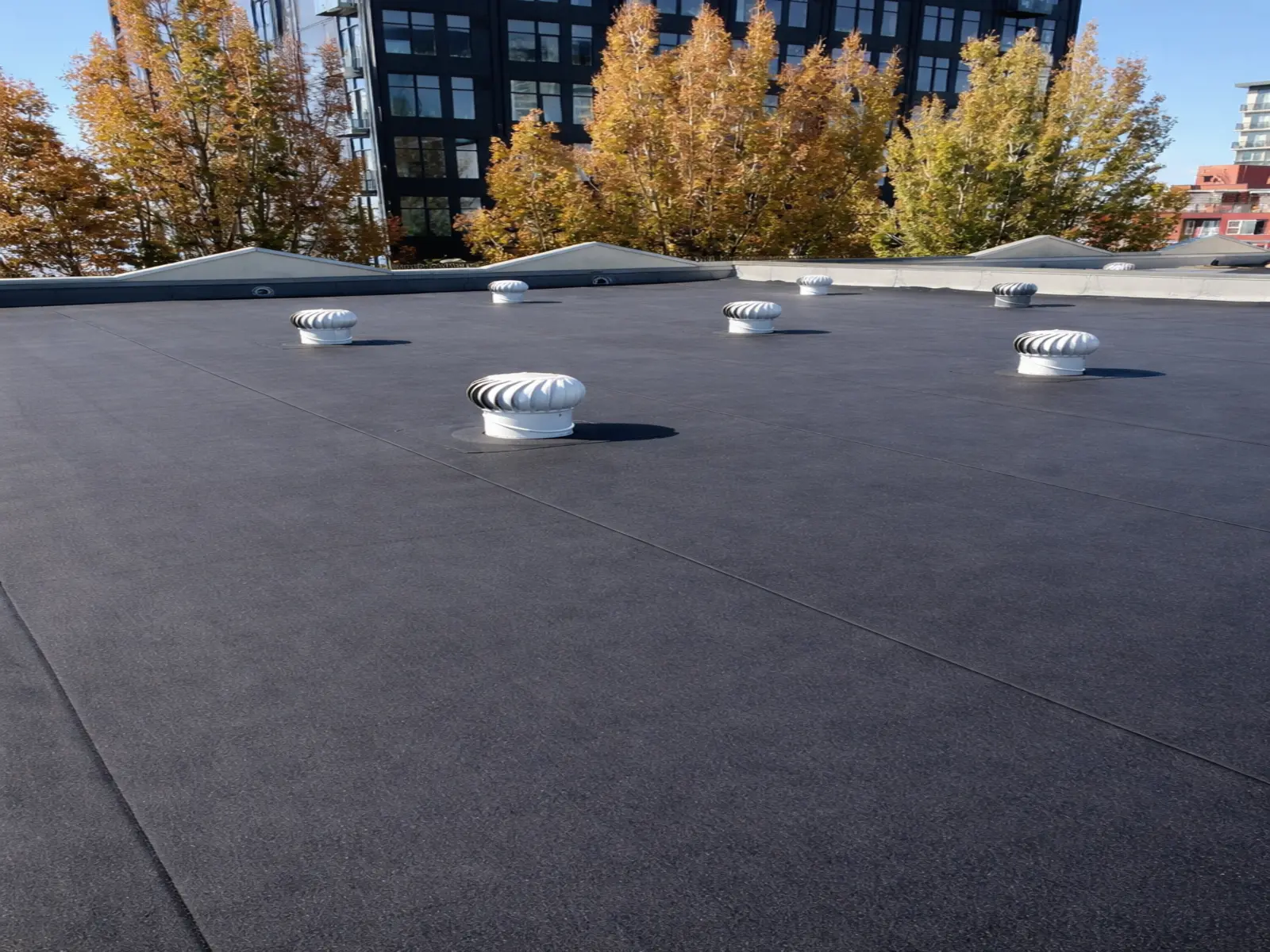
EPDM is installed as a seamless membrane that expands and contracts with temperature changes and building movement. It is best suited for large low-slope commercial roofs requiring long-term performance and weather resistance.
Key Benefits
• Excellent flexibility and movement adaptation
• Strong resistance to weathering and aging
• Proven long-term durability
• Versatile installation methods
• Reliable performance over time
Torch Down Roofing
TORCH DOWN

Torch Down Roofing

What It Is
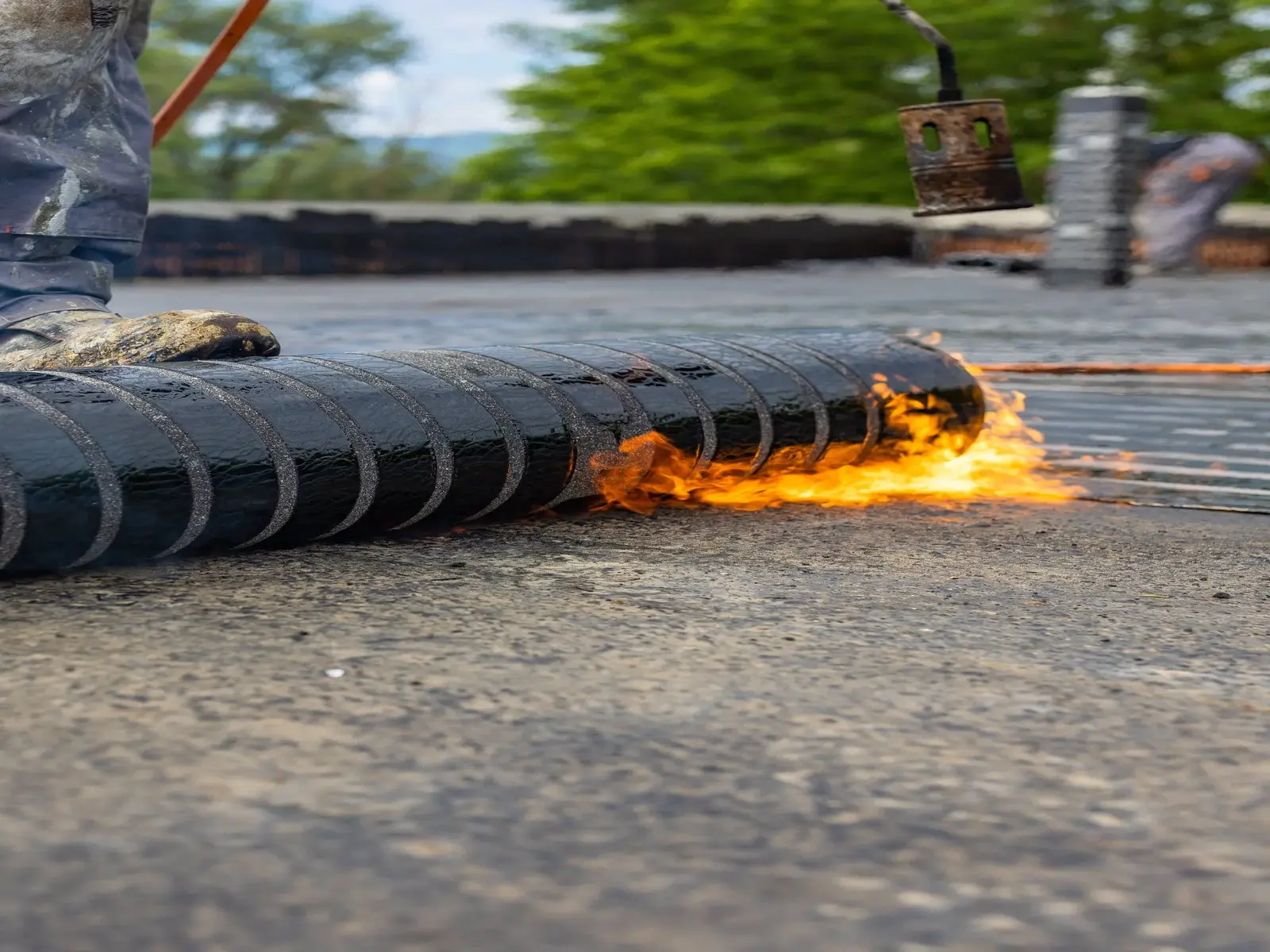
Torch Down is a modified bitumen roofing system that uses heat to bond layers directly to the roof surface. It creates a reinforced, multi-layer waterproofing membrane.
How It Works & What It Is Used For
The system is installed by applying heat to adhere layers securely, forming a durable surface that resists water intrusion and physical wear. It is commonly used on commercial roofs where durability and resistance to traffic or impact are required.
Key Benefits
• Multi-layer protection for enhanced durability
• Strong waterproofing performance
• Resistance to impact and wear
• Reliable performance in demanding conditions
• Suitable for high-traffic roof areas

Choosing the Right Commercial Roofing Material

The right roofing material depends on the building’s use, the roof configuration, environmental exposure, drainage conditions, maintenance strategy, and long-term budget goals. No single system is universally best for every project. TPO may be the right fit when energy efficiency and value are priorities. PVC can be the better choice in demanding environments that require higher chemical resistance. Torch Down is often preferred when a reinforced multi-layer membrane is needed. EPDM remains a trusted option for large commercial roofs that benefit from flexibility and long-term weather resistance. A proper roof evaluation is the best way to determine which system aligns with the property’s needs.